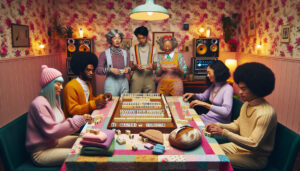
In a world where digital fatigue has become as common as the morning coffee run, Gen Z is flexing its cultural muscles by reclaiming the past—specifically their grandparents' past—and reinventing it as a hip new way to spend Friday night. Enter the unexpected hero of the social scene: mahjong. This ancient tile game is undergoing a phoenix-like revival, rising from the ever-prolific ashes of nostalgia to dominate playlists and punchlists alike.
Statistically, mahjong has seen an impressive 179% uptick in popularity among younger people, leading some cultural commentators to wonder if we've looped back to a time when all we needed was grandma's musty parlor and a good shuffle. These retro activities capture Gen Z's curious affinity for all things vintage—a trend known colloquially and charmingly as "Grannycore." Evidently, evenings once spent swiping through TikTok are now dedicated to shuffling tiles and sipping overpriced specialty cocktails. Who knew mahjong would be the unlikely savior from infinite scrolling?
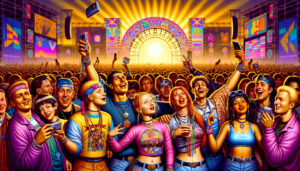
It's not just about the game, though. The new, improved mahjong gatherings strive to blend tradition with rave—you know, like if your grandmother ditched bridge club for Burning Man. In hip venues across San Francisco and beyond, DJs bring the beats and mahjong clubs like Youth Luck Leisure Mahjong serve as eclectic social petri dishes, drawing in crowds as diverse as the pairings at a wine and cheese party. Who could have predicted that inherited traditions from Chinese-American and Jewish communities would become the new nightlife hotspots? Perhaps Yogi Berra was right when he said, "It's déjà vu all over again."
Helping this societal swing is the power of modern technology, proving once and for all the internet isn’t just for cat videos and unsolicited LinkedIn endorsements. Apps, YouTube tutorials, and the occasional Twitch stream empower Gen Z to master mahjong's delicate dance of memory and skill, rather than the nefarious "do I delete it?" game many of us play with our browser histories.
For many Asian American Gen Zers, this resurgence represents more than just a resurrection of Saturday night plans. Mahjong connects them to cultural roots, warming the heart in a way that only a combination of nostalgia and cool can. It seems that, at its core, mahjong provides the same warm fuzzies as listening to vinyl or arguing face-to-face about whether pineapple truly belongs on pizza.
Not to ignore the entrepreneurs who sensed the scent of opportunity quicker than a cashmere-clad shark in the denim waters of retail—luxury hotels, bars, and cultural clubs have also embraced this throwback trend. Glamorous locales are hosting mahjong nights more eagerly than an overzealous Zumba instructor with a new playlist, welcoming guests to engage in cultural appreciation over artisanal charcuterie boards.
Of course, no revival would be complete without its emphasis on inclusivity. Mahjong events today bear all the hallmarks of a modern millennial's dream, including crash courses for newcomers. Thus, barriers are lowered, as instructors ensure everyone can join the fray while still getting schooled by someone’s forty-something Aunt Mildred.
In summary, mahjong's pandemic of renewal is a testament to Gen Z's unparalleled ability to take something cherished, bedazzle it with the glitter of youth, and use it to build community and combat digital burnout. As the world hurtles ever faster into the future, it seems the journey back through time proves irresistibly appealing—at least until the next season of that hot show drops on Netflix.